Challenges of Working in the Maldives and How to Overcome Them: The Complete Expat & Job Seeker Guide
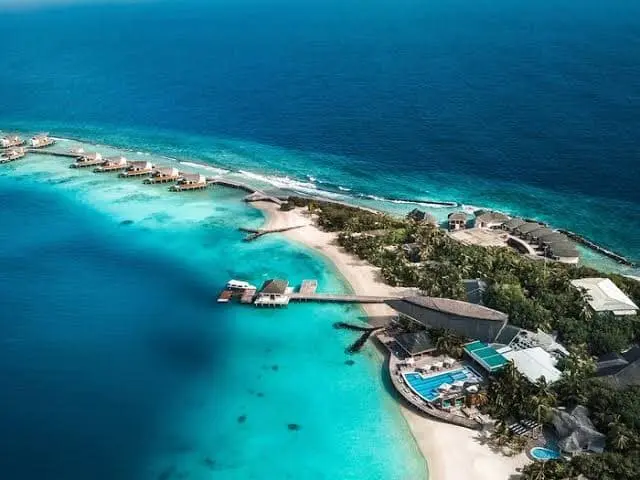
The Maldives is universally recognized as one of the world's premier luxury travel destinations. With crystal-clear turquoise lagoons, powdery white sands, overwater villas, and world-class hospitality brands, it represents the pinnacle of tropical elegance. For hospitality professionals, culinary experts, dive instructors, marine biologists, wellness practitioners, and operational engineers worldwide, securing an employment contract in the Maldives is often viewed as a dream career milestone.
However, living and working on a resort island is fundamentally different from experiencing it as a guest on a week-long vacation.
The Maldivian hospitality industry operates almost entirely on the "One Island, One Resort" model. While this setup provides an unforgettable natural setting, zero living expenses, tax-free income potential, and substantial monthly service charge distributions, it also introduces distinct operational, psychological, and lifestyle realities. Understanding these challenges before arriving—and equipping yourself with practical, tested coping strategies—is essential for turning your island assignment into a rewarding, career-defining success.
1. Island Fever and Geographic Isolation
The single most common psychological hurdle reported by expatriate professionals in the Maldives is "island fever"—a feeling of restlessness, confinement, and spatial limitation caused by living on a small landmass surrounded by open ocean.
The Challenge
Unlike mainland hotel properties where employees commute home to vibrant towns or cities at the end of a shift, Maldives resort staff live directly on the island where they work. Most resort islands measure between 400 meters and 2 kilometers in total length. You can walk the full perimeter of your entire living and working environment in 15 to 20 minutes.
Because access to neighboring islands or the capital city of Malé requires scheduled speedboats, domestic flights, or seaplanes, you cannot casually leave for a weekend drive, visit a shopping center, or explore a new neighborhood. Over time, the lack of new visual and spatial stimuli can cause routine fatigue, restlessness, and feelings of isolation.
Actionable Solutions
-
Turn the Ocean into Your Personal Sanctuary: Professionals who stay in the Maldives for multiple successful contracts view the Indian Ocean as their primary recreation space. Take full advantage of staff dive discounts, earn your PADI or SSI certifications, snorkel the house reef, or engage in kayaking, paddleboarding, and windsurfing. Being on the water radically shifts your spatial perspective and eliminates feelings of confinement.
-
Establish a Mindful Off-Duty Routine: Avoid spending all your free time inside your staff accommodation browsing social media. Create a balanced daily schedule that incorporates physical fitness at the staff gym, personal development, reading, creative writing, or learning a foreign language.
-
Accumulate Rest Days for Strategic Travel: Most resort human resource policies allow staff to accumulate weekly off-days into consecutive blocks (such as taking 4 to 6 days together after several weeks of continuous duty). Use these extended breaks to take public ferries to local inhabited islands like Maafushi, Dhigurah, or Rasdhoo, or book a mini-break in Hulhumalé and Malé to experience urban energy, local cafés, and commercial amenities.
2. The Blurring of Work and Personal Life
When your accommodation, dining facility, recreation area, and workplace exist within the same 500-meter radius, maintaining clear boundaries between your professional responsibilities and personal downtime requires conscious effort.
The Challenge
On a resort island, there is no physical commute to create a psychological transition between work mode and personal life. You dine at the staff restaurant alongside your department heads, cross paths with senior leadership along staff pathways, and socialize with colleagues you manage. During peak occupancy or sudden operational emergencies, managers may seek you out outside your regular shift hours simply because you are physically present on the island.
Actionable Solutions
-
Design a Distinct Personal Space: Treat your staff room as a private sanctuary. Add personal touches such as framed photographs, comfortable bedding, ambient lighting, and noise-canceling headphones to establish an environment that feels completely detached from the workplace.
-
Adopt Clear Psychological Triggers: Change out of your work uniform immediately after finishing your shift. Slipping into casual clothing, changing your footwear, or heading straight to the gym or the beach creates a physical cue that marks the start of your personal time.
-
Set Professional Digital Boundaries: While teamwork and flexibility are core tenets of luxury hospitality, manage your digital communications responsibly. Set messaging applications (such as WhatsApp, Telegram, or internal chat tools) to "Do Not Disturb" during your designated rest and sleep hours unless you are officially scheduled as the Manager on Duty (MOD).
3. Peak Season Intensity, Split Shifts, and Physical Fatigue
The Maldives operates on a distinct seasonal rhythm, with tourism demand peaking during the Northern Hemisphere’s winter months.
+-----------------------------------------------------------------------------------+
|                        SEASONAL WORKLOAD & EARNING DYNAMICS                       |
|                                                                                   |
|  HIGH SEASON (November – April)                 LOW / MONSOON SEASON (May – October)
|  * 85% – 100% Resort Occupancy                  * 40% – 70% Resort Occupancy      |
|  * 6-Day Work Weeks & Long Operational Shifts   * Balanced Shifts & Scheduled Training
|  * Peak Service Charge ($800 – $2,000+ USD/mo)  * Standard Service Charge ($200+) |
|  * High Physical & Mental Demands               * Prime Period for Annual Leave   |
+-----------------------------------------------------------------------------------+
The Challenge
Between November and April, resorts regularly maintain 90% to 100% occupancy. High-net-worth guests, celebrities, and VIP travelers arrive with elevated expectations for tailored, five-star luxury service. Front office staff, butlers, culinary teams, food and beverage attendants, and housekeepers work intensive schedules—often involving split shifts (such as working breakfast and dinner services with an afternoon break). Sustaining this high operational tempo in a warm, humid tropical climate can lead to physical exhaustion and burnout if health habits are neglected.
Actionable Solutions
-
Prioritize Sleep Hygiene and Deep Hydration: Tropical heat increases fluid loss and accelerates fatigue. Drink plenty of water and electrolyte-rich fluids throughout the day, and keep your living quarters cool and dark to optimize deep sleep and physical recovery.
-
Stay Focused on the Financial Upside: High season brings exceptional financial rewards. Under Maldivian employment law, all registered tourism operations must collect a mandatory 10% service charge on all guest transactions, 99% of which is pooled and distributed equally among eligible employees. During high season, monthly service charge distributions alone frequently reach $800 to over $2,000 USD per employee, significantly boosting your base earnings.
-
Practice Strategic Financial Budgeting: Save a substantial portion of your peak-season service charge earnings to balance out the lower distribution months during the off-peak monsoon period (May to October).
4. Cross-Cultural Dynamics and Island Etiquette
Maldivian resort communities are diverse multicultural environments. A medium-sized luxury resort may employ between 200 and 600 individuals representing 20 to 40 different nationalities.
+-----------------------------------------------------------------------------+
|                      THE RESORT TEAM ECOSYSTEM                              |
|                                                                             |
|  * Maldivian Professionals: Front Office, Boat Crew, Engineering, Executive |
|  * South Asian Talent (India, Sri Lanka, Bangladesh): Culinary, F&B, Ops    |
|  * Southeast Asian Talent (Philippines, Indonesia, Thailand): Spa, Service  |
|  * European & Global Expats: Executive Management, Dive/Marine, Guest Rels  |
+-----------------------------------------------------------------------------+
The Challenge
Combining diverse cultural backgrounds, differing communication preferences, and varied problem-solving approaches within a tight-knit living space can sometimes create workplace friction. Furthermore, the Republic of Maldives is an Islamic country with defined cultural norms and legal regulations regarding public decorum, social conduct, and alcohol consumption outside resort perimeters.
Actionable Solutions
-
Embrace Diplomatic, Constructive Communication: Maldivian culture places a high value on politeness, mutual respect, and emotional composure. Public confrontation, harsh tones, or aggressive management styles are counterproductive and damage working relationships. Deliver constructive feedback privately, calmly, and with empathy.
-
Learn Everyday Dhivehi Phrases: While English is the standard language of business and hospitality across the Maldives, making an effort to speak basic words in the local language (Dhivehi) earns respect and builds immediate rapport with local colleagues:
| Dhivehi Term | Pronunciation | Meaning |
| Assalaamu Alaikum | As-sa-laam-oo-ah-lay-kum | Peace be upon you (Formal Greeting) |
| Shukuriyaa | Shoo-koo-ree-yah | Thank you |
| Kihineh? | Kee-hee-neh? | How are you? |
| Rangalhu | Rahn-gahl-hoo | Good / Fine |
| Maruhabaa | Mah-roo-hah-bah | Welcome |
| Dhanee | Dhah-nee | Goodbye (I am leaving) |
-
Comply with National Laws on Local Islands: While tourist resorts are licensed to serve international cuisine and alcoholic beverages, local inhabited islands (including the capital of Malé) strictly prohibit alcohol and pork products. When visiting local islands, dress modestly by ensuring shoulders and knees are covered, and respect local prayer times and customs.
5. Remote Logistics, Healthcare, and Personal Supply Chains
Because resorts are situated on private coral atolls across hundreds of kilometers of ocean, daily logistics depend on marine and air transport schedules.
The Challenge
You cannot rely on on-demand delivery services, same-day online shopping, or immediate access to niche retail outlets. If you run out of a specific skincare product, specialty medication, or custom electronic cable, replacing it may take weeks. While every resort maintains an on-site medical clinic staffed by a registered doctor or nurse for routine illnesses and minor injuries, major dental work, specialized medical consultations, or advanced diagnostics require travel to Malé or abroad.
Actionable Solutions
-
Pack Comprehensive Personal Supplies: Before traveling to the Maldives for a 12-month contract, bring sufficient quantities of your daily essentials:
-
A 3-to-6-month supply of any personal prescription medications, along with the original medical prescriptions.
-
Quality reef-safe sunscreen, after-sun skin care, lip balm, and personal grooming items.
-
Durable footwear, high-grade polarized sunglasses, and comfortable casual wear.
-
Multiple charging cables, universal power adapters, and a high-capacity portable power bank.
-
An external hard drive or tablet loaded with offline entertainment, e-books, and study materials.
-
-
Use Resort Supply Lines for Capital Purchases: Most luxury resort operators maintain a dedicated logistics office in Malé. Employees can coordinate with the purchasing or human resources department to order specialized goods, clothing, or electronics from Malé and have them delivered via the resort’s weekly supply boat.
-
Understand Your Medical Insurance Coverage: Standard employment contracts arranged through reputable recruitment platforms like Career-Maldives.com include employer-provided medical insurance. Familiarize yourself with the coverage limits, local clinic procedures, and the emergency air/sea evacuation protocols for your property.
6. Managing Long-Distance Relationships and Village Social Dynamics
Living overseas on an island contract means spending extended periods away from your spouse, children, extended family, and lifelong friend networks.
The Challenge
Time-zone differences can complicate daily communication with loved ones at home. Meanwhile, within the resort’s staff village, living in close proximity with colleagues can lead to insular social circles, workplace rumors, or interpersonal friction if boundaries are not maintained.
Actionable Solutions
-
Schedule Dedicated Family Touchpoints: Establish fixed weekly times for video calls with family and friends to maintain strong personal connections outside the resort environment.
-
Stay Clear of Staff Village Gossip: Maintain a professional and courteous demeanor across all staff areas. Avoid participating in workplace rumors or internal politics that could disrupt your focus or compromise your standing with management.
-
Take Advantage of Annual Leave Entitlements: Standard 12-month expatriate employment contracts in the Maldives provide 30 days of paid annual leave along with a company-provided return flight ticket to your home country upon completion of your annual term. Plan your leave during low season to fully recharge and reconnect with family.
Comprehensive Summary: Challenges vs. Proven Solutions
| Challenge Area | Key Root Issue | Practical Strategy for Success |
| Geographic Confinement | Island fever, repetitive environment | Take up diving, water sports, and pool rest days for off-island travel. |
| Work-Life Overlap | Living footsteps from the workplace | Create a private room sanctuary, change clothes immediately post-shift. |
| High Season Burnout | 100% occupancy and split shifts | Focus on hydration/sleep; capitalize on peak service charge distributions. |
| Cultural Differences | Multi-national team dynamics | Communicate with tact and empathy; learn basic Dhivehi phrases. |
| Supply Constraints | Shipping delays, remote location | Pre-pack personal necessities; order essentials through Malé supply boats. |
| Family Distance | Homesickness and island politics | Set regular video call schedules; maintain neutral, professional village boundaries. |
Why the Rewards Make Working in the Maldives Worth It
While the operational realities of island life require adaptation, the financial, professional, and lifestyle benefits make the Maldives one of the most lucrative and rewarding career moves in the global hospitality sector.
+-----------------------------------------------------------------------------+
|                 SAMPLE ESTIMATED MONTHLY COMPENSATION BREAKDOWN             |
+--------------------------+--------------------+-----------------------------+
| Income / Expense Item    | Monthly Value (USD)| Notes                       |
+--------------------------+--------------------+-----------------------------+
| Base Salary (e.g., F&B)  | $600 – $1,200      | Tax-free for most expats    |
| Monthly Service Charge   | $400 – $1,800+     | Shared equally across staff |
| Staff Accommodation      | $0 (Included)      | Air-conditioned, furnished  |
| Daily Meals (3x / day)   | $0 (Included)      | International staff buffet  |
| Laundry & Utilities      | $0 (Included)      | Water, electricity, wifi    |
| Medical & Annual Flights | $0 (Included)      | Covered under contract      |
| **Net Savings Potential**| **80% – 95%**      | Minimal out-of-pocket costs |
+--------------------------+--------------------+-----------------------------+
1. Unmatched Savings Potential
In major metropolitan hubs (such as Dubai, London, Singapore, or Sydney), housing rent, utilities, food, and commuting costs frequently consume 60% to 80% of an employee’s monthly salary. In the Maldives, your living expenses are virtually zero. Your accommodation, three daily meals, laundry, uniform care, medical consultations, and work permits are fully covered by the employer. As a result, almost your entire monthly salary and service charge can be saved, invested, or remitted directly to your home country.
2. World-Class Luxury Resume Prestige
The Maldives features the highest concentration of top-tier luxury, five-star deluxe, and ultra-luxury hospitality brands in the world. Having brands like The Ritz-Carlton, St. Regis, Four Seasons, Soneva, Waldorf Astoria, Patina, Cheval Blanc, or One&Only on your curriculum vitae serves as an internationally recognized badge of excellence, opening doors to senior leadership roles worldwide.
3. An Extraordinary Natural Living Environment
Few workplaces on earth allow you to finish a work shift and immediately swim with manta rays, watch dolphins from the jetty, or dive among vibrant coral reefs within minutes. The clean air, ocean vistas, and active outdoor environment offer a healthy, restorative lifestyle.
Start Your Island Career Journey with Career-Maldives.com
Thriving in the Maldives begins with finding the right resort brand, company culture, and job role that matches your skills and career objectives.
At Career-Maldives.com, we connect qualified local and international talent directly with leading resort operators, private island retreats, and hotel management groups throughout the Maldives.
Why Use Career-Maldives.com?
-
100% Verified Employer Listings: Access authentic, active vacancies posted directly by resort human resource departments and talent acquisition teams.
-
Wide Range of Specializations: Browse open positions across Front Office, Food & Beverage, Culinary Arts, Spa & Wellness, Housekeeping, Marine Biology, Scuba Diving, Engineering, Finance, and General Management.
-
Direct Application Process: Submit your application and CV straight to hiring managers without third-party recruitment agency fees.
Explore verified resort vacancies today at